
Fostering Knowledge and Empowering Communities for a Sustainable Future
Partnership and Community-Led Change

closely to communities and local leaders to create programs rooted in their real needs and strengths.

that connect education, agriculture, climate resilience, and economic access.

like limited access to quality education, educational inequity, poor agricultural practices, climate instability, and poverty.

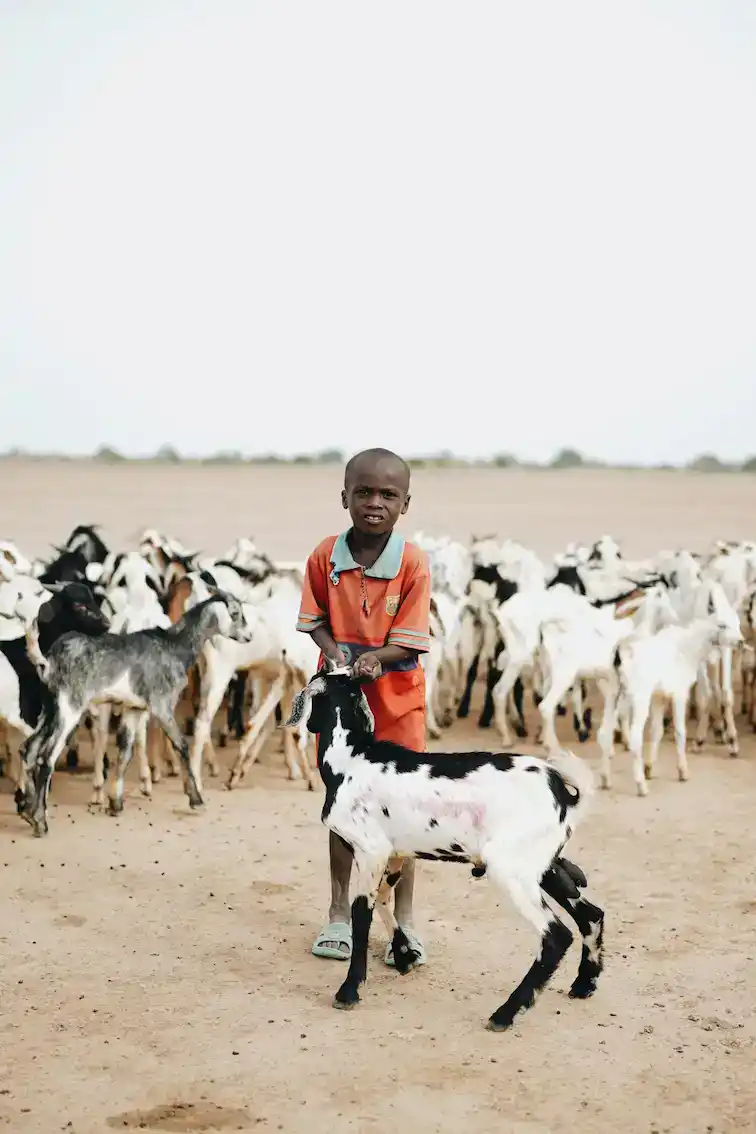
Partnering closely with communities, local leaders, and grassroots groups to listen deeply , and build programs that reflect their priorities, challenges, and strengths.




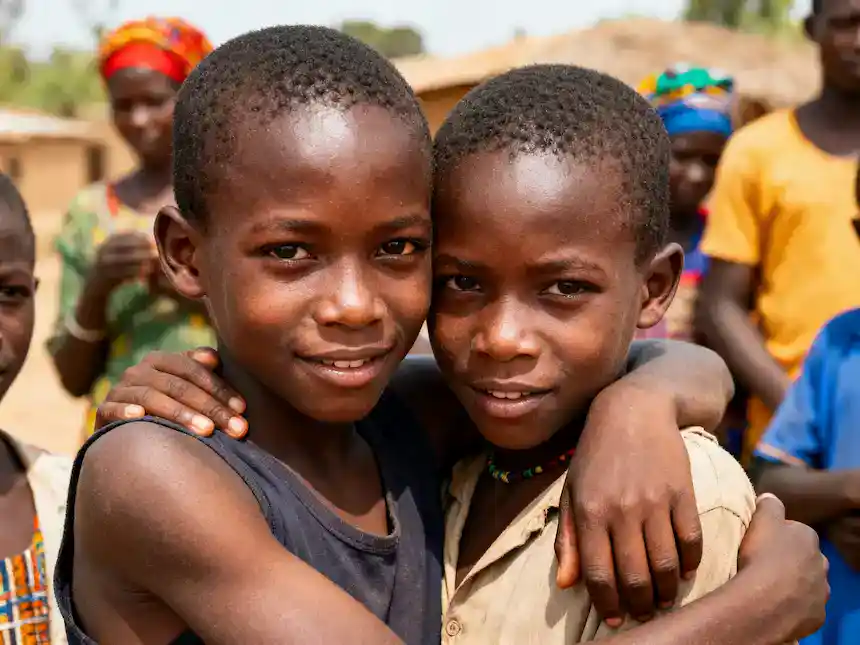
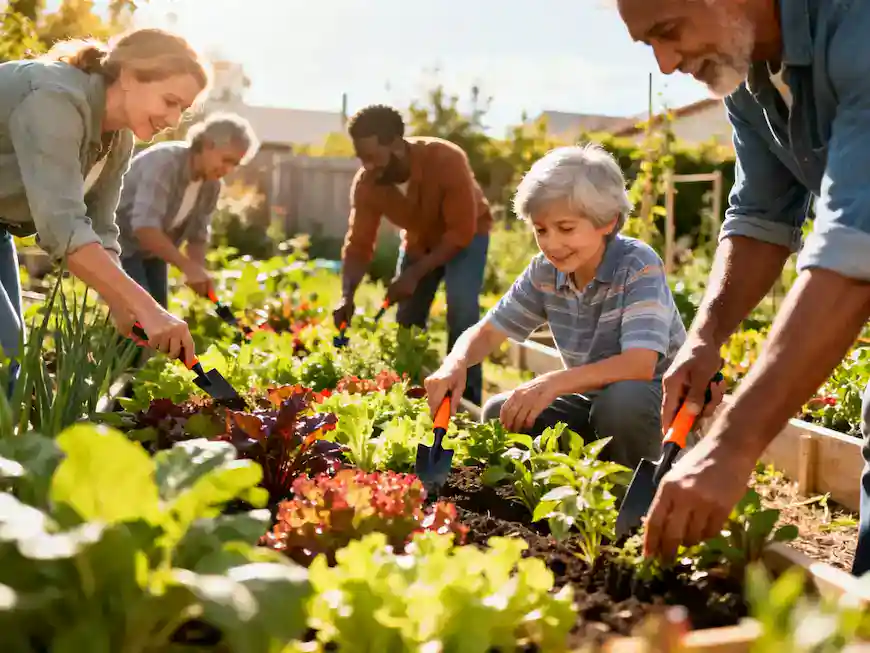
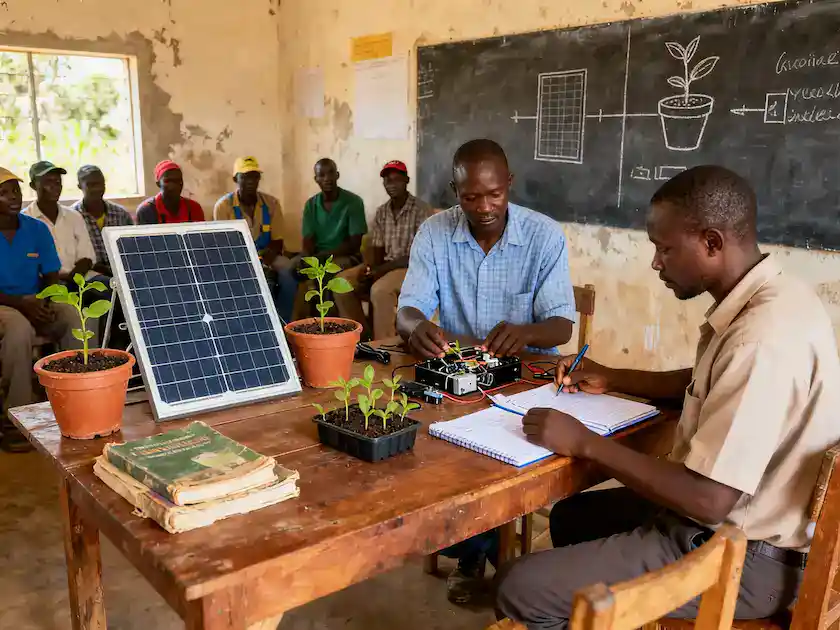
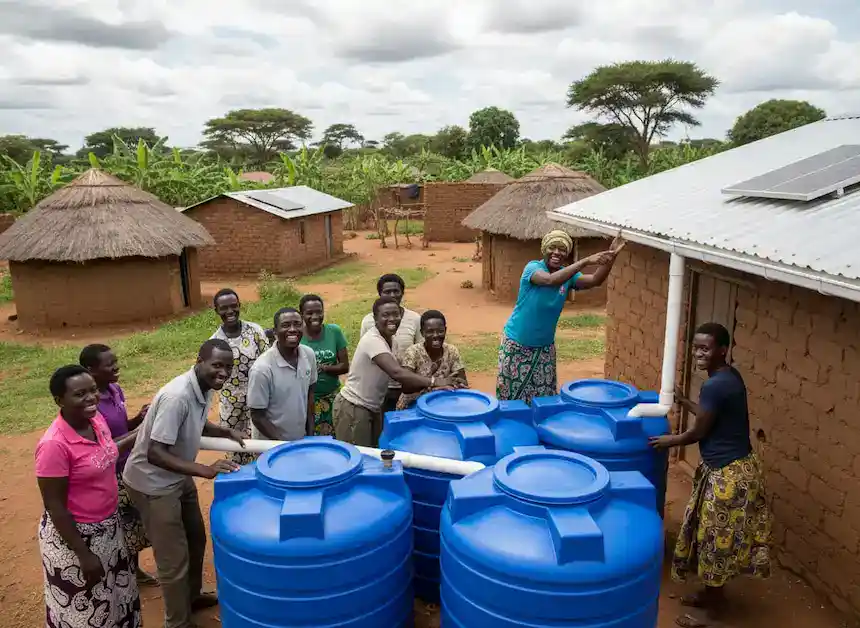
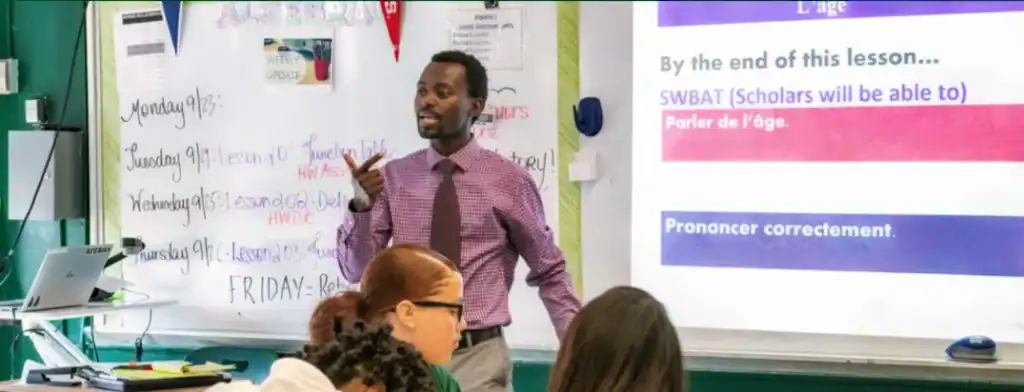
Your support is essential in expanding access to quality education, promoting educational equity, fostering sustainable agriculture, adapting to and combating climate change, and alleviating poverty.
Donate NowFrequently Asked Questions
See all of our frequently asked questions on our FAQ page.
How is your organization funded?
We maintain a diversified funding base from institutional and foundation grants, government and multilateral partnerships, private sector contributions (CSR), and individual donations. This diversification ensures our financial stability and our commitment to independence (Refer to “Our Funding” for a detailed breakdown).
How can I get involved or support your work?
There are many ways to partner with us, including:
- Donating to support our programs (see our “Our Funding” section).
- Volunteering your expertise (where applicable).
- Partnering as an NGO or private sector entity on a specific project.
- Advocating for the needs of rural and under served communities.
How do you work with other organizations?
Our role is to serve as a collaborative partner: We collaborate extensively with governments, NGOs, and the private sector to advance shared development goals. We strengthen these partnerships, support local leadership, and ensure efforts are aligned for greater impact.
Why do you focus on connecting multiple program areas?
We recognize that challenges like limited access to quality education, educational inequity, poor agricultural practices, climate instability, and poverty are closely linked. Meaningful change requires integrated approaches that recognize these connections, ensuring that progress in one area reinforces and sustains progress across the whole.
What kind of educational support do you provide?
We provide comprehensive educational support by focusing on five key areas: first, providing educational resources through distributing essential items like books, school supplies, or technology; second, supporting students directly via offerings such as tutoring, mentoring, scholarships, and college access aid; third, training and supporting teachers using professional development and curriculum resources; fourth, advocating for policy change, which involves working on education reform at all levels to promote equity and access; and finally, conducting research to study effective educational practices, evaluate program effectiveness, and share findings with educators and policymakers.
What role do you play in addressing climate change?
We support community-led adaptation and mitigation initiatives. Our projects include promoting renewable energy, responsible waste management, sustainable land use, and environmental awareness, helping communities build resilience against climate impacts.
How does your work address food security?
Our approach to food security is rooted in the principle of Ubuntu, focusing on the transition from “what is” to “what can be” by strengthening local food systems and economic resilience through four primary pillars:
- Regenerative Agriculture Scaling: We restore soil health and biodiversity by implementing a “Triple-Win Framework” of minimum tillage, cover cropping, and crop rotation. These practices sequester carbon and increase water retention, effectively reversing climate-driven productivity declines.
- Year-Round Urban Production: We eliminate “seasonal dormancy” in urban areas by installing greenhouses and hoop houses. By integrating Controlled Environment Agriculture (CEA) like hydroponics and aeroponics, we ensure communities have year-round access to nutrient-dense produce.
- Sustainable Mechanization: We help farmers move from manual labor to engine power through shared tractor services and precision irrigation. This modernization increases land efficiency and reduces the physical drudgery that often drives youth away from farming.
- Agricultural Capacity Building: We provide direct technical support and farmer training to build circular bioeconomies. This strengthens local value chains and reduces dependence on expensive synthetic fertilizers, making local food systems more self-sufficient.
How do you ensure your solutions are sustainable?
We believe in supporting solutions that are shaped by local knowledge and collective effort. By focusing on building local capacity, fostering partnerships, and promoting practices like agroecology, we help ensure that progress is sustained by the community long after our direct involvement concludes.
What types of communities do you serve?
We focus on rural and underserved communities across multiple regions. These communities often face overlapping challenges in education, agriculture, climate resilience, and economic opportunity with limited local support.
What is the core philosophy guiding your work?
Our work is deeply rooted in Ubuntu, an African philosophy meaning “I am because we are.” This philosophy reflects our belief that our lives are interconnected in the context of our shared humanity, and lasting, meaningful change grows from shared responsibility, community, and respect for our common humanity.
Help us build a future filled with hope and opportunities
Sign up for our newsletter
Stories, Insights and Articles
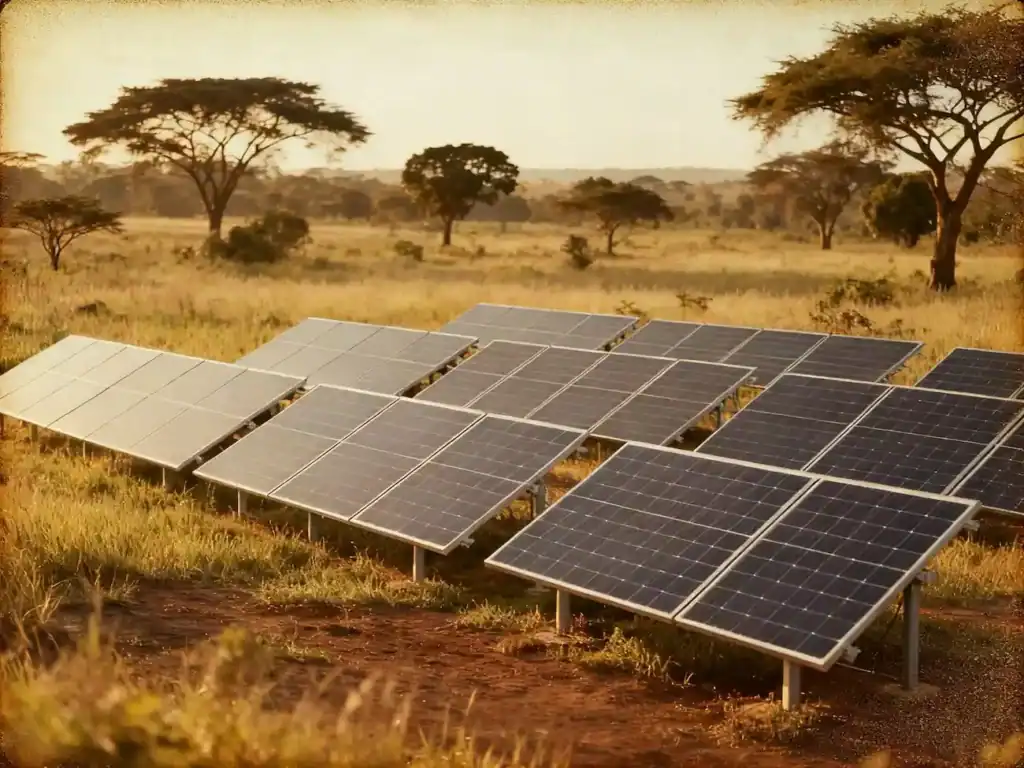
CLEAN ENERGY, CLIMATE CHANGE
Climate Change & Clean Energy (Uganda, East Africa)
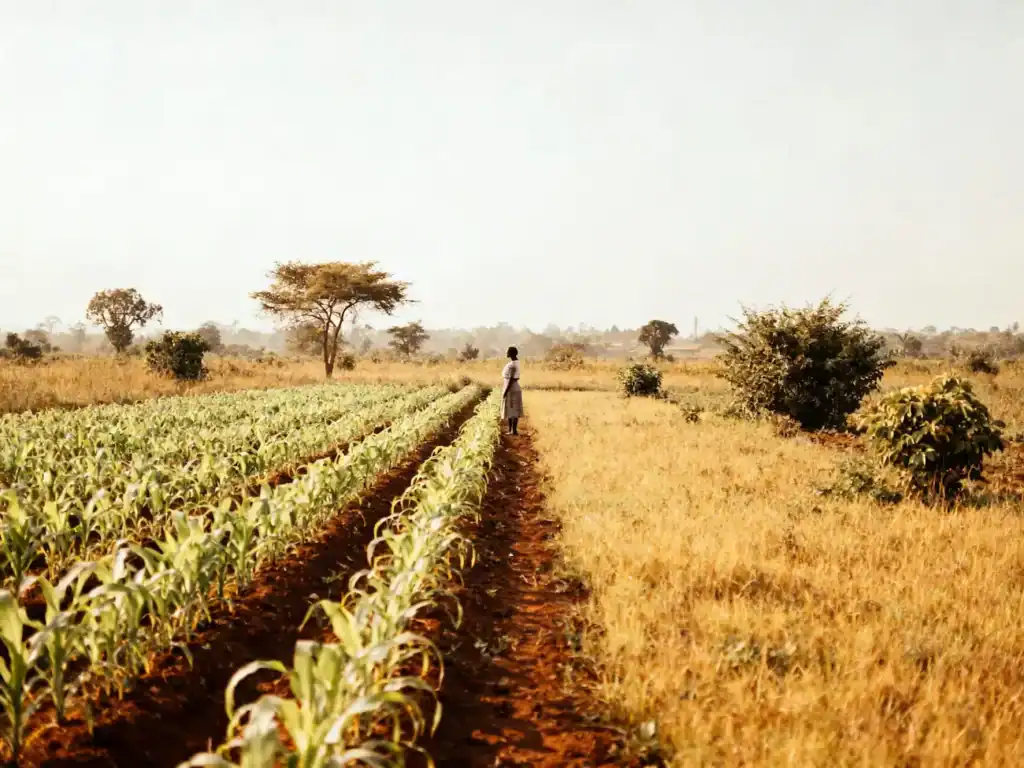
AGRICULTURE, FOOD SECURITY
Agriculture & Food Insecurity (Uganda, East Africa)
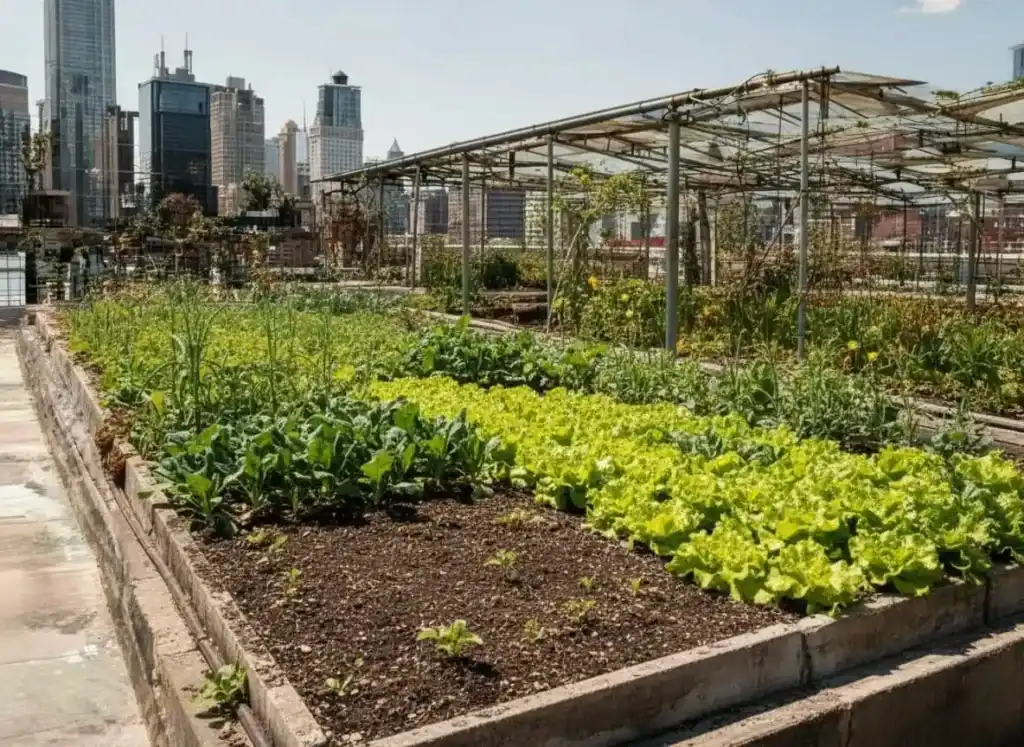
FOOD SECURITY, URBAN AGRICULTURE
Can New York City Feed Itself? Greenhouses and the Future of Urban Agriculture
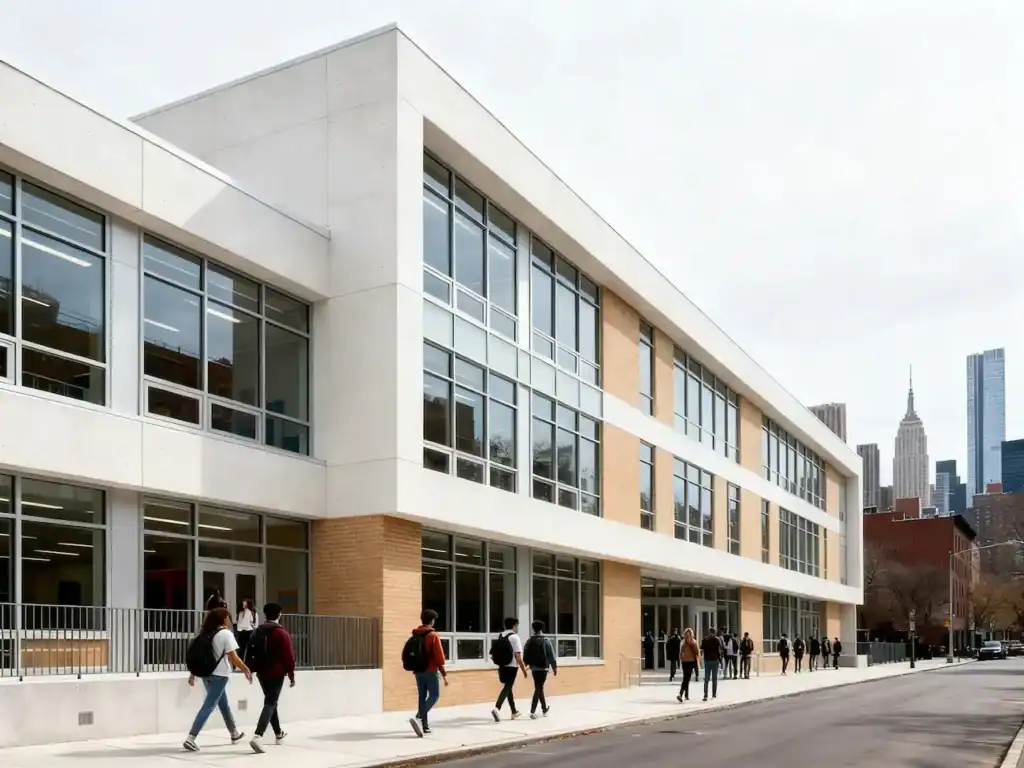
EDUCATION & ADVOCACY
Education Access & Equity (New York City & East Africa)